%20(3).png)
How Mustard Oil Supports Nature Conservation
Every year, Nature Conservation Day reminds us that protecting the environment isn't only about large-scale initiatives. It is also about the choices we make every single day. The food we cook, the products we buy, and the agricultural practices we support all contribute to the health of our planet.
One such everyday choice is the cooking oil we use. While it may seem insignificant, choosing traditionally produced mustard oil can support sustainable farming, reduce environmental impact, and help preserve India's agricultural heritage.
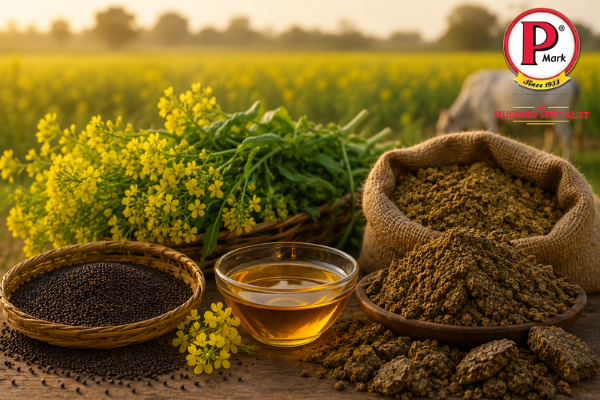
1. Mustard Is a Naturally Sustainable Crop
Mustard has been cultivated across India for centuries. It thrives in cooler climates, requires comparatively less water than many other commercial crops, and fits well into crop rotation systems.
Crop rotation helps:
Improve soil fertility naturally.
Reduce the spread of pests and diseases.
Lower the dependence on chemical fertilisers and pesticides.
Maintain healthier farmland for future generations.
By supporting mustard cultivation, consumers indirectly encourage farming practices that are better for the land.
2. Supports Local Farmers and Rural Communities
A significant portion of India's mustard is grown by small and medium-scale farmers. Choosing mustard oil helps sustain local agricultural economies and keeps traditional farming practices alive.
When consumers buy locally produced mustard oil, they contribute to:
Rural livelihoods.
Agricultural diversity.
Reduced dependence on imported edible oils.
Stronger local supply chains.
Supporting local agriculture is one of the most effective ways to build resilient communities while reducing environmental impact.
3. Lower Transportation, Smaller Carbon Footprint
Many edible oils travel thousands of kilometres before reaching our kitchens. Transporting food over long distances increases fuel consumption and greenhouse gas emissions.
Locally produced mustard oil often travels shorter distances from farms to processing units and then to consumers. This helps reduce transportation-related emissions while supporting regional businesses.
Choosing products closer to home is a simple step toward lowering your overall carbon footprint.
4. Traditional Processing of Mustard Oil Preserves Quality
Cold-pressed mustard oil, often known as Kachi Ghani Mustard Oil, is extracted using traditional methods that rely on mechanical pressing rather than intensive chemical processing.
This process:
Preserves the oil's natural aroma and flavour.
Retains naturally occurring nutrients.
Requires fewer processing steps compared to heavily refined oils.
Traditional food processing methods often consume fewer resources while preserving the authenticity of the final product.
5. Encourages Agricultural Biodiversity
Large-scale monoculture farming can reduce biodiversity and increase pressure on ecosystems. Including mustard in farming systems creates greater crop diversity, which benefits both the environment and agriculture.
Mustard flowers are also known to attract pollinators such as bees and beneficial insects. Healthy pollinator populations play a vital role in supporting food production and maintaining balanced ecosystems.

Nature Conservation Begins with Everyday Habits
Protecting nature does not always require dramatic lifestyle changes. Often, it begins with mindful decisions made in our own kitchens.
Choosing products that support sustainable agriculture, local farmers, and traditional food systems is one way each of us can contribute to a healthier planet.
As we celebrate Nature Conservation Day, let it remind us that every conscious choice matters. Together, small everyday actions can create lasting change for future generations.
A Thought to Take Home
Nature has nourished us for generations. The least we can do is make choices that help protect it. Whether it is reducing waste, supporting Indian farmers, or choosing traditionally produced mustard oil, every decision is a step toward a greener tomorrow.
This Nature Conservation Day, let's celebrate not just the beauty of nature, but our responsibility to preserve it.

Comments