%20(3).png)
Kashmir & Mustard Oil: A Long-Standing Relationship
Kashmiri cuisine is known for its distinctive flavours, slow-cooked preparations, and an approach to food in which every ingredient has a role to play. Among these ingredients, mustard oil has held a particularly important place in kitchens across the Valley. This isn't a new culinary trend. Mustard oil has been used traditionally in Jammu & Kashmir for generations, and its unmistakable aroma and bold flavour have become closely associated with several regional preparations.

More than just a cooking medium
What makes mustard oil such a natural fit for Kashmiri cooking is its ability to complement the region's characteristic spices and cooking techniques. Fennel, dry ginger, asafoetida, whole spices and chillies are common elements in Kashmiri kitchens, and mustard oil provides a robust base that allows these flavours to come together.
Traditional preparations such as haak, a simple leafy green dish, are cooked with mustard oil, while a variety of meat and vegetable preparations also use it as their cooking medium. And then there is Wazwan — Kashmir's elaborate multi-course culinary tradition. Considered an important part of Kashmiri culture and celebrations, Wazwan involves carefully prepared meat dishes, aromatic gravies and techniques passed down through generations.
Traditional Kashmir recipes where mustard oil belongs
Mustard oil isn't simply an ingredient that happens to work well with Kashmiri flavours. It has traditionally found its way into a number of preparations enjoyed across the region.
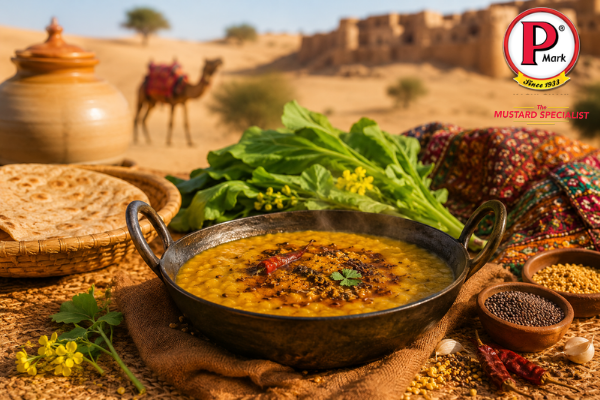
Haak Saag is perhaps one of the simplest examples. Leafy greens are cooked with mustard oil, chillies and other basic seasonings, creating a dish that is modest in ingredients but deeply characteristic of Kashmiri home cooking.
Muj Gaad, a traditional Kashmiri preparation of fish and radish, brings together the earthy sweetness of radish with the richness of fish and the distinctive warmth of mustard oil. It is especially associated with Kashmiri Pandit cooking and is traditionally prepared around festive and special occasions.
Nadur Yakhni, made with lotus stem and a yoghurt-based gravy, is another preparation where the richness of the cooking medium complements the cooling character of yogurt and the aromatic spices used in the dish.
Mustard oil also features in preparations such as Dum Aloo, where baby potatoes are slow-cooked with spices and a rich gravy. The pungency of mustard oil works particularly well alongside Kashmiri red chilli, fennel and dry ginger, creating the layered flavour that the cuisine is known for.
These dishes illustrate something fundamental about Kashmiri cooking: strong flavours are rarely used in isolation. Pungent mustard oil, aromatic spices and cooling yogurt often work together to create balance rather than simply adding heat or richness.
Kashmir - The flavour of tradition
Mustard oil gives Kashmiri food a distinctive pungent heat and earthy depth. Its sharp aroma mellows considerably when heated, leaving behind a characteristic flavour that works particularly well with the Valley's spices, vegetables and slow-cooked preparations.
In traditional cooking, the oil is heated before other ingredients are added, allowing its sharper raw notes to soften and its flavour to integrate with the spices. Yogurt, another important ingredient in Kashmiri cuisine, often provides a natural contrast to this intensity, bringing a cooling, creamy balance to dishes such as yakhni.
The result isn't about making the oil the star of the dish. It's about creating a foundation on which the rest of the flavours can shine.
Beyond the kitchen
The story of mustard oil in Kashmir has traditionally extended beyond the cooking pot. For generations, mustard oil has also been used in households for practices such as body massage and hair care, making it part of everyday life as well as the culinary landscape.
These traditional uses reflect the broader role oils have played in households across the region — not simply as cooking ingredients, but as familiar, versatile staples passed down from one generation to the next.
From generations to modern kitchens
Food traditions survive because they remain relevant. While cooking styles and kitchens may change, the ingredients that genuinely belong to a cuisine often continue to find their place at the table.
Mustard oil's continued presence in Kashmiri cooking is a reflection of exactly that. From everyday preparations of greens and vegetables to elaborate festive meals, it remains part of a culinary vocabulary that has been shaped over generations.
For a mustard oil brand, being part of this story is not simply about being an ingredient in a recipe. It is about being part of the food traditions that connect people to a place, its flavours and its history.
And in Kashmir, that relationship between mustard oil and the kitchen is one that has been simmering for generations.
Conclusion
Ultimately, the relationship between Kashmir and mustard oil is one rooted in tradition, flavour and generations of culinary wisdom. From a simple plate of haak to festive preparations like muj gaad and the elaborate dishes of Wazwan, mustard oil has quietly remained part of the Valley's food culture, adding its distinctive character without overpowering the ingredients around it.
As kitchens evolve, some flavours remain timeless - and mustard oil continues to be one of them.
Comments