%20(3).png)
Mustard Oil: A Sustainable Choice for a Changing Planet on Earth Day
- Apr 22
- 2 min read
As conversations about climate change and resource scarcity intensify, the way we grow and consume food has never been under closer scrutiny. This World Earth Day, let’s focus on how sustainability isn’t just a matter of global policy - it’s shaped by everyday choices, including the cooking oil we reach for.
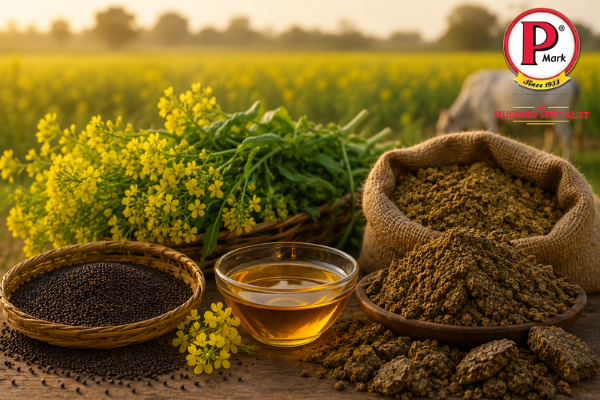
Among traditional oils, mustard oil stands out. Not only for its bold flavor, but for something increasingly vital: its sustainability.

Farming for a Water-Conscious Future
Mustard is a low water-intensive crop, making it naturally suited for regions with irregular rainfall or limited irrigation. Unlike water-intensive crops like rice or sugarcane, it requires minimal water and adapts well to diverse soil types, often thriving in rain-fed conditions. As water scarcity becomes a growing agricultural challenge, mustard offers a practical and resilient solution—supporting stable yields while aligning with environmentally conscious farming practices.
Rooted in Local Agriculture
Mustard is widely grown across India, particularly in northern and eastern regions. It is not an imported or heavily industrial crop - it is deeply embedded in local agricultural systems.
Choosing mustard oil aligns with the idea of “Vocal for Local”:
It supports Indian farmers and reduces dependence on imported edible oils.
It shortens supply chains, lowering the overall carbon footprint.
When you choose mustard oil, you are choosing an ingredient that comes from within the country, sometimes even from nearby farming regions - making it both sustainable and community-supportive.

A Lower Environmental Footprint
Sustainability isn’t just about water—it’s about the full environmental impact of what we consume.
Mustard cultivation:
Requires fewer external inputs than many other oil crops
Fits well into crop rotation, improving soil health
Has a relatively low ecological footprint, especially when grown traditionally
These traits make mustard a crop that supports long-term agricultural balance—not short-term yield at the environment’s expense.
Small Choices, Lasting Impact
It’s easy to see sustainability as distant or complex but often, it starts with simple everyday decisions.
The oil you choose in your kitchen is one of those decisions.
By picking mustard oil, you are:
Supporting a low-water crop
Encouraging sustainable farming practices
Strengthening local agricultural ecosystems
It’s a quiet shift—but one that truly matters.
This Earth Day, Choose Intentionally
As we face climate uncertainty and resource constraints, rethinking what we consume becomes more urgent than ever.
Mustard oil is more than tradition or taste. It represents a way forward—rooted in sustainability, resilience, and local strength.
This World Earth Day, choosing mustard oil isn’t just a kitchen decision. It’s a step toward a more sustainable tomorrow.


Comments